EU Deforestation Regulation: Trilogue Capitulation
10 Dezember 2025
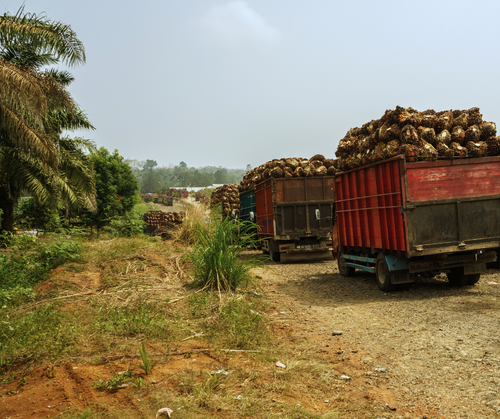
There was some alarm, but no surprises on 4 December 2025 when the European Commission, Parliament and Council cut a deal to delay the pioneering EU Deforestation Regulation (EUDR), and – far worse – to re-open its substance to allow various industrial agriculture and forestry interests meddle with the obligations it imposes.
For the past two years, industrial EU lobbies have sustained a war against the EUDR (FW 298, FW 299, FW 300), pushing to delay it, and howling for the chance to pick apart its obligations.
Every effort the European Commission made to defend the EUDR’s integrity (FW 301) by agreeing to postpone its application, not once but twice, simply encouraged a new industry onslaught on the content of the legislation itself.
The lobbies have won. EU Institutions have demonstrated how effective bullying is – and how powerless they are to defend the broader public interest.
They have also shown that they are impervious to science: with tropical forest loss setting new records in 2024, this decision represents a wilful dissociation from the enormous human and economic costs of environmental disaster, the death toll of floods, heatwaves, fires that occur implacably each year. The international scientific community have repeatedly sounded the alarm that global carbon sinks are crashing as land and forest sectors become carbon emitters in Europe and Africa.
EU Institutions have failed to defend the efforts of the many responsible commercial actors, and producer country governments, who have made strides towards implementing this ground-breaking law, such as setting up detailed traceability systems, and diligently preparing for compliance (FW 310).
“Today’s result signifies a near death sentence for an historic attempt to tackle the biggest driver of deforestation on earth - clearing land for agriculture. As deforestation in the tropics spirals, the EU is trying to abandon responsibility for its role in it,” says Nicole Polsterer, Fern’s Sustainable Consumption and Production Campaigner.
“This is fast becoming a case study in irresponsible law-making. This current delay was supposed to rectify problems with the EU’s IT system, and its capacity to handle the data load of due diligence statements.”
It makes logical sense that evidence about the EUDR’s actual impact on small and medium enterprises, and particularly smallholder producers should be studied before reviewing its content, but the Commission has not published findings of EUDR scope reviews it scheduled in 2024 and 2025. Such reviews might have also suggested ways to address the deforestation impacts of printed materials which have now been dropped from the EU Timber Regulation review. Exempting products or diluting obligations without a strong factual framework is a gift to EUDR opponents.
No one assumed that implementing the EUDR would be simple, but it was a bold effort to halt the deforestation ravaging the planet and undermining efforts to halt climate change.
The EU Parliament is expected to endorse this capitulation with its 16 December vote despite representing the interests of the 450 million Europeans who broadly support EUDR legislation. EU constituents must keep this in mind during the next Parliamentary elections.
Kategorien: News, Forest Watch, EU Regulation on deforestation-free products