The EU deforestation law: EU must provide better support to smallholders – not propose simplifications
22 Oktober 2025
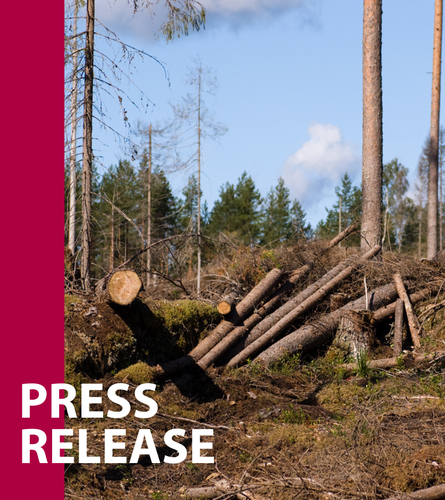
The European Commission yesterday proposed major changes to its landmark EU Deforestation Regulation (EUDR). These will now be discussed by the co-legislators in the European Parliament and Council.
Under the proposals, small companies from countries deemed a low deforestation risk would face simpler rules than previously envisaged: they would be exempt for an additional year, and their due diligence obligations would be greatly reduced. These changes would mostly affect EU farmers and foresters.
Nicole Polsterer, Fern’s Sustainable Consumption and Production Campaigner, said: “The IT issue has never been satisfactorily explained. The vacuum of uncertainty it created has been used by the US as well as parts of the forest industry to successfully carve out an exemption for themselves on geolocation. This risks undermining the essence of the law while failing to provide genuine support so that smallholders – both in the EU and outside increase their market share.”
Supporting smallholders has long been a demand from Fern, who have opened space for cross-commodity smallholder organisations both in the EU and outside to develop detailed proposals. These include involving them in EUDR decision making, providing technical and financial support, ensuring fair purchasing prices and supporting inclusive traceability systems.
Geolocating the precise origin of the commodities targeted under the EUDR is a key component of the law, and crucial for enforcement. The US administration has made no secret of its desire to gut the EUDR and to dismantle other EU environmental laws. Meanwhile, many producer countries have prepared for compliance.
Other changes included in the Commission’s latest proposal include:
- Small businesses in low-risk countries get streamlined requirements - just a one-time declaration instead of filing a statement once a year
- Regular addresses can replace precise GPS coordinates for land plots
- Companies further down the supply chain have fewer obligations (though they still need to track reference numbers)
- Small and micro businesses get until December 2026 to comply
- Enforcement checks won't start until mid-2026 for most companies
- Reviews of the law's scope and effectiveness pushed to 2030
Polsterer added: “The extended timelines and simplified rules for smaller players puts more emphasis on government tools to comply with the law. Such tools will rely more on national traceability systems, that if audited well, could strengthen controls and governance. But vigilance is needed to ensure these systems are effective. The proposed changes also rely on benchmarking that has been heavily criticised and will need to be redone when new deforestation data become available.”
The next step is for the EU Parliament and Member States to approve these changes.
“The EU must step up its engagement with the highly forested countries that produce the goods covered by the law and the smallholders who grow them. Only this will ensure that the EUDR actually reduces global deforestation as well as improves livelihood, and not just cleans up European supply chains, ” said Pierre-Jean Sol Brasier, campaigner at Fern.
Image: Fern
Kategorien: News, Press Releases, EU Regulation on deforestation-free products