As the EU terminates the EU-Liberia Voluntary Partnership Agreement, civil society require more space in forest partnerships
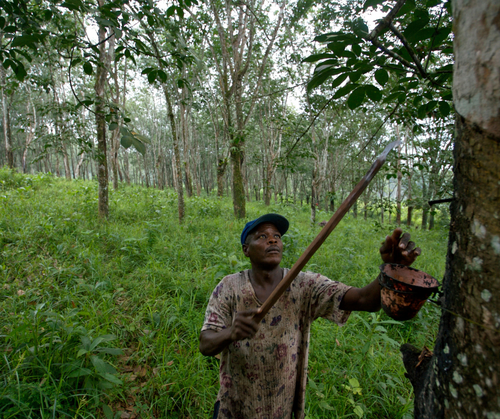
On 17 June 2026, the European Parliament approved the unilateral termination of the EU-Liberia Voluntary Partnership Agreement (VPA), adopting a resolution on both the termination and future partnerships. The European Commission, Council and Parliament have now agreed to terminate two of the 10 VPAs in two years. The EU’s message to VPA countries is clear: slow progress toward licensing puts agreements at risk.
The day before the vote, 38 Civil Society Organisations (CSOs) from nine VPA countries sent a joint letter to EU Forest Law Enforcement, Governance and Trade (FLEGT) stakeholders, raising core concerns:
- The terminations of VPAs with Liberia and Cameroon proceeded without adherence to agreed participatory mechanisms or termination clauses, a breach of the EU’s own commitments.
- Governance gains initiated and achieved through VPAs – strengthened legal frameworks, improved timber traceability, institutionalised civil society participation – risk being discarded rather than built upon.
- Ending VPAs while demanding EU Deforestation Regulation (EUDR) compliance places an incoherent burden on producer countries. EUDR support must leverage VPA structures and lessons learned, not start over again.
- Any future Forest Partnership must retain formal, funded and protected spaces for civil society – particularly for women, Indigenous Peoples and local communities facing structural barriers to decision-making.
Positively, many of these demands are reflected in the Parliament’s own resolution on the EU-Liberia termination. It calls on the Commission to structurally involve CSOs in all forest partnership discussions, build on VPA lessons learned and continue funding the established multistakeholder fora.
CSOs in VPA countries have outlined the same concerns, and the letter and Parliament resolution have gained traction – most recently in Mongabay, which questions the EU’s strategy on CSOs. The EU’s Global Gateway Strategy on CSOs is not public, and CSOs are currently excluded from new Forest Partnership secretariats, the ultimate decision-making body.
Now the European Commission is in the spotlight.
In a political context where commercial interests are consistently over-represented and prioritised, the lack of civil society inclusion poses real risks to the quality of public policymaking.
As the Commission transitions to Forest Partnerships and potentially terminates further VPAs, it must follow civil society recommendations. It should develop Forest Partnership roadmaps through genuinely inclusive processes and present them to the European Parliament before formally notifying a partner country that their VPA has been terminated. CSOs are watching.
CSOs, Indigenous Peoples, forest communities and women want to be genuine decision-making partners. They must have equal space alongside governments and businesses in forest decision-making fora. Without secured civil society space to press for accountability, forests and the people who guard them remain at risk.
Image: Dave Yoder/Aurora Photos/Alamy
Categories: News, Forest Watch, EU Partnerships, EU Regulation on deforestation-free products, Illegal logging, Liberia