What is the bioeconomy?
The bioeconomy is the concept of replacing fossil-based materials with bio-based materials.
A large concern about the bioeconomy is that there are not enough sources of biobased materials (agriculture and forestry) to replace fossil-based materials like-for-like. The bioeconomy must, therefore, centre intelligent uses of resources: using less and better.
A healthy bioeconomy starts with healthy forests
If the bioeconomy is to benefit rural communities, nature and the climate then forest experts need to be at the heart of discussions. You simply can’t talk about the bioeconomy without discussing how forests are managed (see our Continuous Cover Forestry campaign), and you can’t talk about forest management without talking about what extracted wood is used for (see our bioenergy campaign).
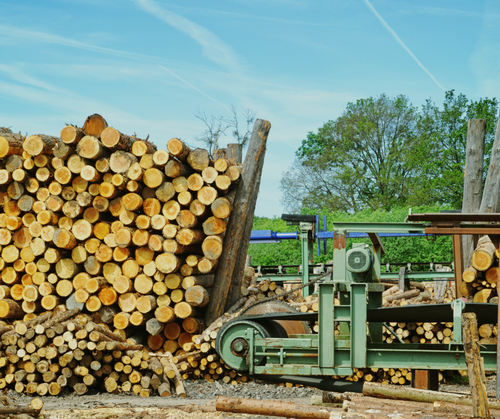
In Europe, 98% of forests are already managed, but they are managed differently depending on their end uses. For example, if forests are managed for pulp, then managers will prioritise high volumes of fast-growing species. If forests are managed for high-quality furniture, then they might prioritise slower growing hardwood species.
Wood uses should be adapted to what forests can sustainably supply, not the other way around.
The EU is not the only region with a bioeconomy strategy. For example, the Brazilian government’s “socio-bioeconomy” strategy focuses on securing income for rural communities.
EU discussions focus less on social issues, and more on whether to prioritise material over energy uses of wood. By and large, to increase material uses of wood, we need to decrease the use of wood for energy.
This is because the amount of wood available for the bioeconomy is constrained by many factors, the most important of which is how much wood is available.
Forests’ first and most essential roles needs to be cleaning our air and water, keeping carbon out of the atmosphere, strengthening biodiversity, homing animals, plants and humans, cooling the air and more.
A good bioeconomy therefore centres the question: how do we extract more social, economic and environmental value from harvested wood without harming the forest?
To find out how to produce wood well, visit our Continuous Cover Forestry campaign. Using wood well means:
- Adapting wood uses to the forest
- Creating long lasting products, long-term incomes and high-quality jobs in rural areas
- Supporting EU restoration and climate goals
But this can only happen if Europe invests in smart uses of wood and brings in strong, enforceable regulations which ensure the cascading principle is followed (see FAQ below).
We can have a bioeconomy that strengthens rural economies and increased forest health, but only if we transition from large scale/low value uses of wood (such as packaging and bioenergy) to high-value uses adapted to local ecological conditions. This transition must not just shift the problem elsewhere, such as by importing more low-quality wood from fast growing plantations.
What do Fern and our partners want?
Fern and our partners have a vision of healthy forests providing living incomes for local communities and high-quality, long-life, low-carbon products.
Forests and land are a limited resource. There simply isn’t enough of them to replace all fossil-based energy, chemicals, textiles and materials. Trying to replace like with like, without considering which products should be prioritised, would undermine the bioeconomy’s goals, worsen the climate crisis and tear down local supply chains, with the poorest in society likely to experience the most negative effects.
We need:
- High quality, long-lasting products
- Long-term, high-quality jobs
- To stick within planetary boundaries and climate and biodiversity targets.
What are we doing?
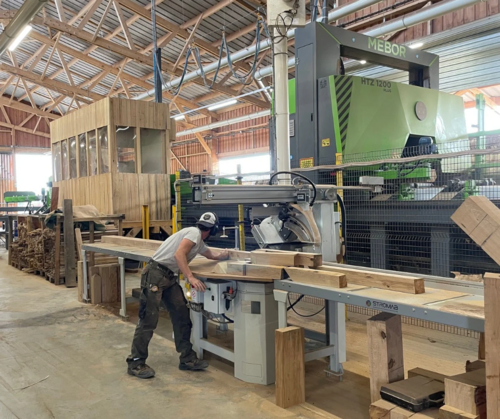
We are working with foresters and forest communities to ensure they receive decent incomes whilst producing high-value products. We are also helping raise the voices of small rural companies producing sawn timber, furniture, and engineered wood products. They have faced structural decline for decades, from sawmills in France to entire supply chains in Central and Western Europe. When they disappear, economic opportunities for sustainable foresters disappear too.
We are working with NGOs to ensure guardrails on How much we harvest (given the limits set by the carbon budget and global climate targets (see our LULUCF campaign); as well as where we harvest (all harvesting must be in line with the EU Biodiversity Strategy).
Frequently Asked Questions
What is the link between bioeconomy and bioenergy?
Until now, the biggest replacement of fossil-based for bio-based material has been the burning of wood for energy. And the outcome has been a disaster, for health, the climate, biodiversity and more. (See our bioenergy campaign).
Whilst wood burning has been a key part of human history, it is now happening at a unsustainable scale and destroying previously spared forests
Much of the increase in wood burning and forest harvesting has been driven by EU Renewable Energy Directive subsidies.
The result is not just devastating for forests, it also harms other wood-using industries, who are struggling to secure their wood supply. This is why the bioeconomy must focus on how wood is used as well as where it comes from.
Any government support for the bioeconomy must prioritise material over energy uses.
What is the cascading use principle and why is it important?
When EU technocrats say it is important to “implement the cascading principle”, they really mean to “use wood more wisely”, which means prioritising high-value material uses over paper and energy.
The cascading use principle was enshrined in the third iteration of the Renewable Energy Directive, Article 3 paragraph 3. It is crucial that the principle is rigorously implemented (for all wood uses) if there are to be checks and balances on the bioeconomy.
See Fern’s RED III implementation guide.
What is in the November 2025 EU bioeconomy strategy?
In November 2025, the EU published its third Bioeconomy Strategy. It outlines all EU laws, funding, and projects aimed at increasing production of, and demand for, products made from biobased material.
The third EU bioeconomy strategy mainly supports industries that involve large, highly-processed volumes of wood, such as the pulp and paper industry or biorefineries. There issignificant focus on bioplastics, biochemicals, and biotextiles. Unfortunately, there is less attention to long-lived uses of wood, such as construction.
What is the difference between bioeconomy and circular economy?
Whilst there are many links between the aims of the circular economy and the bioeconomy, the main difference is that the circular economy aims to re-use rather than phase out fossil-fuel based materials. Similarities include that both types of economies look to use raw materials (including wood) only where essential.
To meet climate goals, we need both, something along the lines of a circular bioeconomy.
This will mean not just prioritising what limited wood supplies are used for but also looking at how they can be reused and recycled.
A strong example of the circular bioeconomy done well is shown in this short video of Federica, a craftswoman in Rome who gives discarded wood a second life.
What are the next steps?
Fern’s bioeconomy campaign is still looking for testimonies and case studies from those on the ground. If you are a business transforming wood, a forester selling timber, or an NGO working on wood uses, we would love to hear from you.
Key resources

The heat is on
This study compares the use of wood for insulation and fuel

Building a better bioeconomy