What is the bioeconomy?
The term bioeconomy has been used for decades, but with competing definitions: some define it as bringing the whole economy back within planetary boundaries, others use it to describe all economic activities using biological matter (biomass) as a raw material.
The tension between these two definitions, one focusing on sustainability, the other on production, is reflected in current policy debates.
The EU recently defined the bioeconomy as “biomass production, biomass conversion into food, bio-based materials, and products (including bio-chemical ones) and bioenergy”. But it also states a hope that their Bioeconomy Strategy will help reach “climate and energy goals by 2030 and climate neutrality by 2050, while combating biodiversity loss and pollution”.
Averting climate catastrophe means phasing fossil fuels out now. But treating everything with the prefix ‘bio’ as sustainable ignores major differences in carbon emissions, resource use and health impacts, and the considerable role of deforestation and the destruction of nature in fuelling the climate crisis.
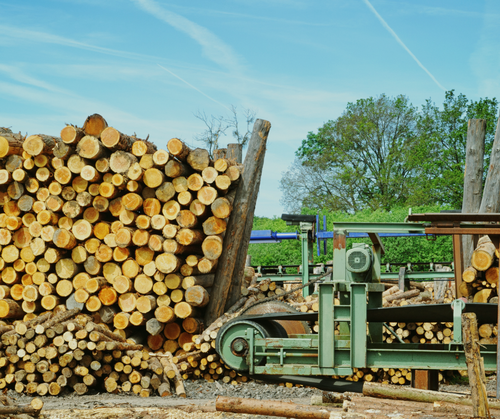
How we use wood is of critical importance.
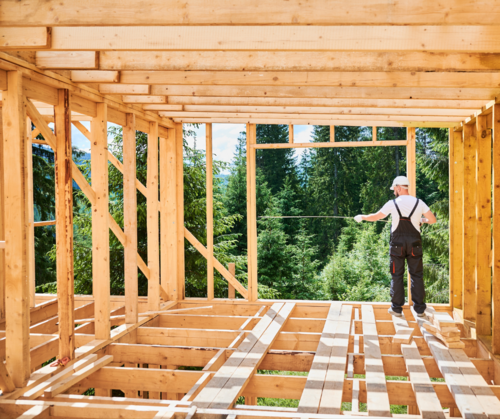
Europe’s forests face increasing pressure, particularly due to public incentives rewarding energy companies for burning wood for energy (bioenergy). This is severely degrading the EU’s land carbon sink, compromising EU climate goals and separating industries making longer-term wood products from the supply they need. For a sustainable bioeconomy, we must reduce overall wood extraction from European forests, stop wasteful uses of wood and support longer-lasting wood-based products. Prioritising material uses over energy ones is already recognised in EU legislation under the “cascading principle” (using and reusing biomass sequentially starting with the highest possible value, prioritising material use over energy).
The bioeconomy frame can also provide better value to forest owners and wood-using industries, while managing forests in a way that protects nature better.
Fern's work on the bioeconomy
What do Fern and our partners want?
Fern wants the EU to develop a bioeconomy that recognises, respects and protects ecosystems’ ecological boundaries, while protecting people, nature and our climate.
What are we doing?
Fern is developing resources and opening spaces in Brussels to discuss how EU Bioeconomy policies can come back within planetary boundaries and provide new opportunities for foresters and others’ rural livelihoods.