What’s the problem?
Ratification stalled due to concerns about deforestation spiking under the administration of Jair Bolsonaro, as well as opposition to the deal from NGOs and European farmers.
Post-Bolsonaro, the deal was renegotiated and a new version was announced at the end of 2024. If approved, it will cut tariffs on goods imported into the EU from Brazil, Argentina, Uruguay and Paraguay.
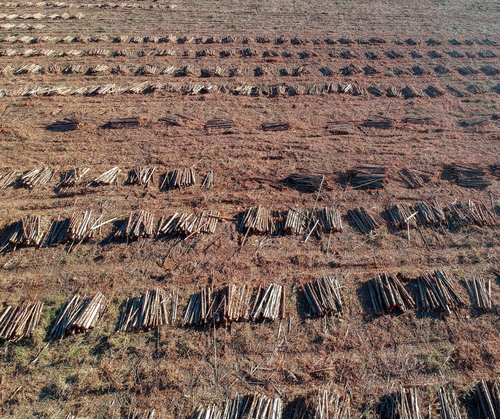
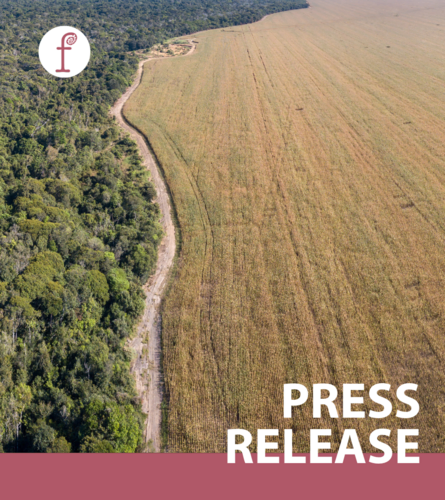
While there have been some specific carve-outs for forests and for tackling deforestation in the new version of the deal, this does not fundamentally change the overall nature of the trade deal: to promote and reinforce an extractivist model, which is helping destroy the rainforests of the Amazon and tropical savannah of the Cerrado.
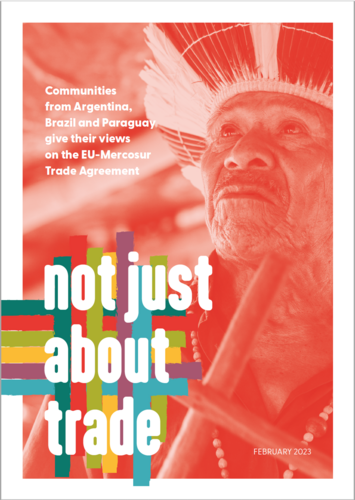
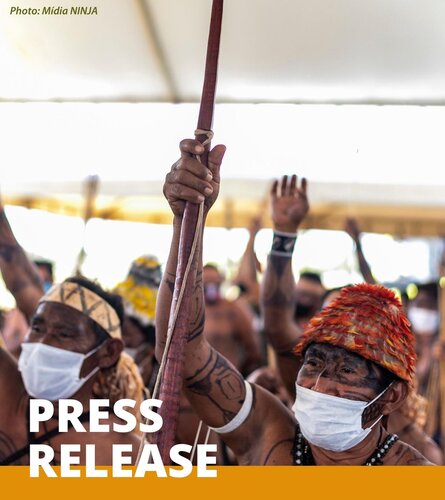
But it’s not just the environment that suffers. Agricultural expansion leads to Indigenous Peoples in Brazil facing threats, intimidation, murder and violent land seizures.
What’s more, the deal has also been negotiated in a non-transparent way, which fails to meaningfully include civil society and Indigenous Peoples.
Fern's work on this issue
What do Fern and our partners want?
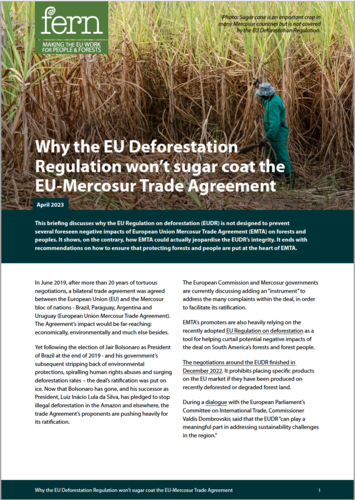
The EU must stop supporting the trade in commodities that drive deforestation and human rights violations. The EU-Mercosur Agreement must contain enforceable provisions ensuring goods coming from Mercosur countries to the EU have not driven ecosystem destruction or human rights abuses.
What are we doing?
In Brazil we are working with Brazilian NGOs and the Articulation of Brazilian Indigenous Peoples (APIB) to alert EU policy makers about the impacts the Agreement is likely to have on Indigenous Peoples and forests. We have also worked with Mídia NINJA to inform Brazilian civil society about the content of the deal and how they can persuade the EU to stop the damage it may cause.
In the EU, we are engaging with EU policy makers to ensure that any trade agreement with Mercosur countries contains enforceable protections for forests and rights, and that the dialogue the Commission is having with Mercosur countries addresses the demands of Brazilian CSOs and indigenous peoples.