EUDR in action
The EU Deforestation Regulation is one of the most innovative attempts to tackle deforestation ever seen. Despite recent delays and attempts to weaken it, the Regulation remains widely supported and is already driving global impact. Full implementation is now needed so as to protect peoples and forests.
The world’s most important forests, the life-blood of our planet, are being cut at a devastating rate - more than one tree every second.
In response, the world has agreed declarations of intent and multilateral plans to end deforestation.
Following an assessment of its global forest footprint, in 2019 the EU developed an Action Plan to address deforestation in agricultural supply chains. Then, in 2023, it adopted the EU Deforestation Regulation (EUDR), a legislative demand side tool that prohibits agricultural commodities linked to deforestation from entering the European market.
The Regulation was then complemented in 2024 with a Strategic Framework to strengthen cooperation with tropical forest countries.
While the EUDR needs to be integrated with the complementary measures included in the Action Plan, it was, and continues to be widely supported by voters, businesses, NGOs, decision makers, and elected officials across producer and consumer countries.
Despite urgent need and broad support, progress stalled after the 2024 elections.
The new European Parliament set about undermining years of hard work with a bureaucratic attempt to “simplify” policies. In 2024, they delayed the EUDR to “allow countries to prepare” and then, in 2025 they delayed it for a further year due to “IT problems,” while also weakening key due diligence requirements.
Many are now concerned the file could be reopened for the third time in just 18 months. Meanwhile, debate has raged about what will happen next, wasting huge amounts of time, money and resources rehashing arguments and returning to negotiating tables to defend a law that crossed the finish line more than three years ago.
It is time for the EU to meet voters’ expectations and deliver what it promised.
EUDR in numbers

hectares of deforestation linked to EU trade (an area almost the size of Luxembourg) would result from just a one-year delay in implementing the law.

of Europeans surveyed in 2019 said new laws are needed to ensure products sold in the EU do not contribute to global deforestation.

citizens called on the EU to pass a strong regulation to stop imported deforestation. This was the largest public consultation on environmental issues in EU history, and the second largest on any issue ever.

of Members of European Parliament voted in favour of the Deforestation Regulation in 2023, marking one of the largest majorities in the EP voting history.
Who supports the EUDR?
After its adoption, the EUDR received broad support across Europe and beyond, with citizens, civil society, companies, decision makers, and elected officials highlighting the importance of the Regulation and the risks of delaying its implementation.
Public support for the EUDR remains strong.
82% of Europeans believe EU businesses should not sell products that destroy the world’s forests. In 2024, 84% of EU citizens surveyed said they want to see the law implemented, and 73% believe it should be a key priority for the EU.
Last year, 200,000 Europeans participated in a public consultation to oppose the EU’s proposed simplification of environmental legislation.
“This initiative is vital for driving systemic change across the cocoa industry.”
Belinda Christine Borck, Tony's open chain
Several major companies in the cocoa and chocolate sector, including Nestlé, Mars, and Ferrero, members of the Cocoa Coalition, have consistently supported the EUDR since the publication of the proposal in 2022.
In 2024, they opposed reopening the Regulation for new negotiations and urged policymakers to resist such proposals. The following year, they joined companies and organisations across the cocoa, dairy, rubber, wood, and other agri-food sectors to publicly call on the EU to “avoid using the IT issue as grounds to reopen, delay, or change the EUDR.”
In a 2025 webinar, Pieterjan Desmet, CEO of Decospan, a Belgian wood processing group, expressed his support for the EUDR, noting that “all the investments have been made to be a proactive company, as many Europeans are. Postponing [the Regulation] gives us a competitive disadvantage compared to other companies who did not do that.”
“The time to implement the EUDR is now.”
Jessika Roswall, European Commissioner for Environment
In January 2026, speaking at the European Parliament, Commissioner Roswall stressed that the European Commission does not support reopening the EUDR. She also noted that the many companies that have already invested and prepared for implementation need a stable legal framework to rely on.
“The EUDR would reduce the complexity of the supply chain and improve incomes and livelihoods.”
Support for the EUDR is also strong among producer-country organisations. More than 150 civil society and farmers’ organisations, representing over 800 smallholder cocoa farmers in Côte d'Ivoire and Ghana, endorsed the Regulation in an open letter, highlighting its potential to strengthen supply chains and improve livelihoods despite the challenges of implementing traceability.
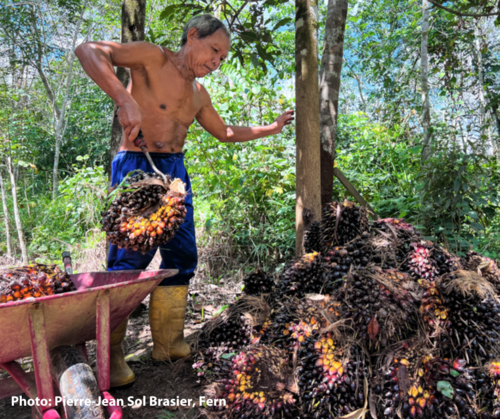
Similar support has emerged in Indonesia, where oil palm smallholder representatives view the EUDR as an opportunity to improve plantation governance and protect farmers’ rights, while calling for the Regulation to be implemented without further delay.
CSOs' message is simple: apply the law now
In 2024, 225 civil society organisations from 42 countries called on the European Parliament and all EU governments to reject the European Commission’s proposal to delay the application of the EUDR by one year.
In 2025, 93 NGOs reiterated that the delay has already pushed the world’s forests and climate closer to dangerous tipping points and that continued inaction is unjustifiable. They also warned that ongoing political uncertainty is creating confusion across supply chains, leaving businesses unsure how to invest efficiently.
From policy to progress
Incredibly, despite the confusion, delays and obfuscation, the EUDR has already achieved a huge amount, driving changes that impact forests and people around the world. Just imagine what it could achieve once finally implemented.
What should the EU do next?
The EU should end the uncertainty about the EUDR and provide a clear, stable framework for its implementation. The European Commission must communicate that the Regulation will not be reopened or modified so as to revive confidence among businesses, stakeholders, and international partners, and to ensure that efforts to comply with the EUDR can proceed.
What can you do?
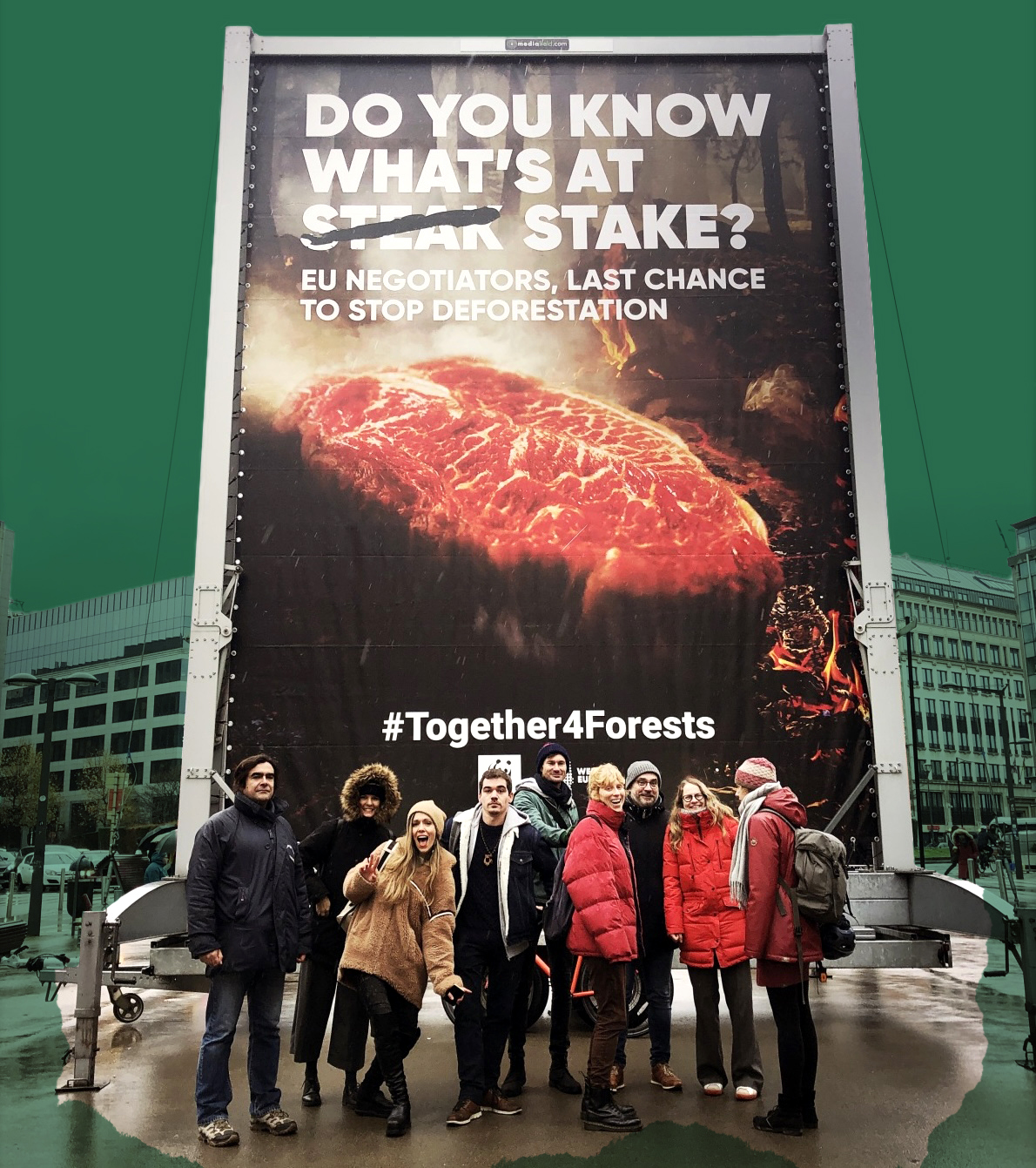
The Together4Forests campaign, supported by more than 200 NGOs worldwide, is calling on the European Union to enforce the EUDR and avoid further delays.
Follow and support the campaign to help make our voices heard!
Resources
Understand the Regulation

Track the developments


Hear from stakeholders
What Civil Society is saying
Banner image: Osvaldo Tesoro/Greenpeace