
Decades of achievements
2024
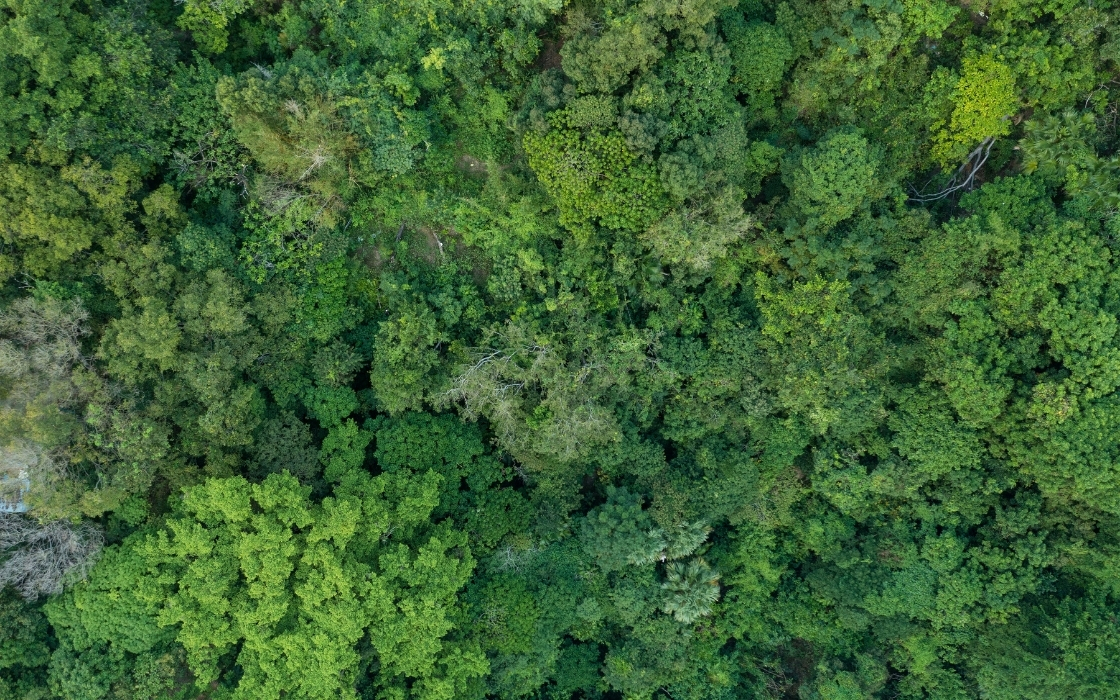
The EU agreed a Nature Restoration Regulation which included Fern and our partners' recommendation to include specific provisions to restore forests
2023
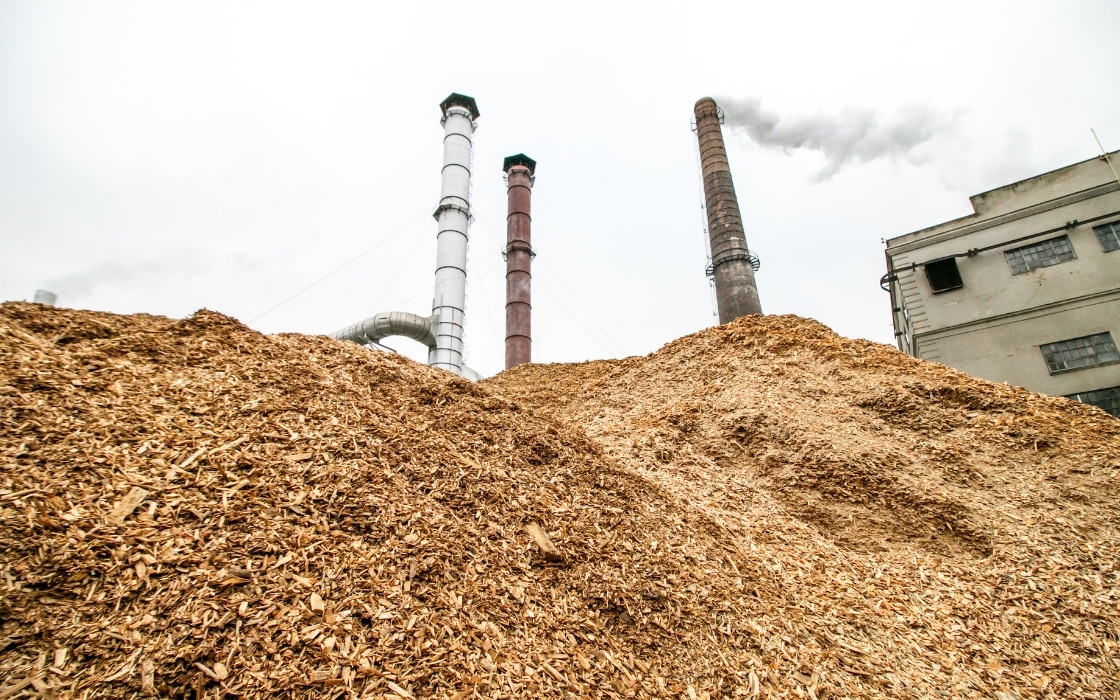
Fern helped to restrict bioenergy incentives in the revision of the Renewable Energy Directive
Improving the third Renewable Energy Directive (RED) revision was a major campaign co-led by Fern in Brussels and involving numerous partners in Europe, the USA and beyond. In the end, 60% of MEPs voted to exclude primary woody biomass from renewable energy targets and to end the zero-rating of biomass emissions in the EU Emissions Trading System (ETS).
Although much was reversed during final negotiations under the Swedish Council Presidency, industrial grade roundwood, wood from old growth forests, and stumps and roots were excluded from subsidies; tighter sustainability and greenhouse gas savings criteria were included; there was an in principle agreement to end support for most electricity production in electricity-only plants; cascading principle for wood use was adopted. The campaign to exclude woody biomass from EU renewable energy incentives continues.
2023
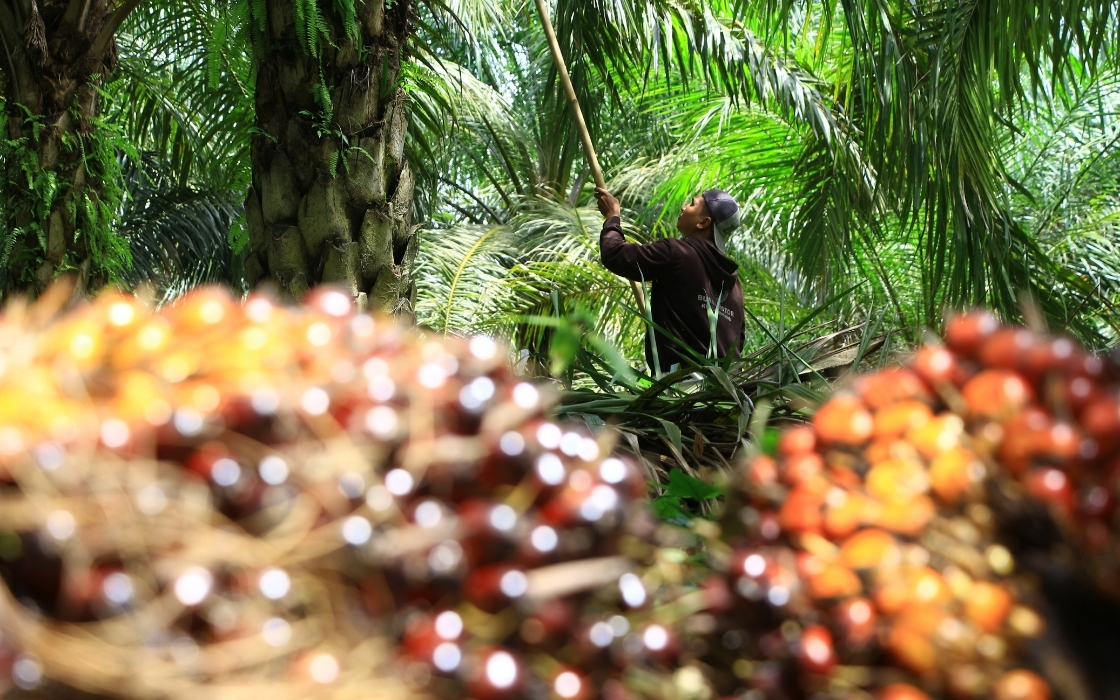
Fern contributed to the adoption of the EU Regulation on deforestation-free products
The hard work of Fern, and its allies and organisations in Europe and the global South, played an important role in the adoption of the EU Regulation on deforestation-free products (EUDR). The EUDR, the world’s first law of its kind, holds companies to account for deforestation associated with seven key commodities, and includes a commitment to engage in partnerships with producer countries to support them in lowering deforestation levels across the board. This law has already led to several national improvements leading to better protection of forests.

2023
Fern made sure that EU forests will play a key role in tackling climate change
Since 2014, Fern has been involved in complex negotiations about EU land use policies. Fern brings NGOs, academics and scientists together to ensure a wide chorus of voices call for EU forests’ carbon storing capacity to be increased as well as, not instead of, emissions reductions in energy and transport.
In the most recent review of the Land Use Land Use Change and Forestry (LULUCF) Regulation, adopted in 2023, we successfully advocated for biodiversity criteria and targets to remove 310 million tons of carbon from the atmosphere by the year 2030 - the equivalent of taking a quarter of a billion fossil-fuelled cars off the road for a year! The previous climate target would have promoted further forest harvesting, this new one requires Member States to grow their carbon sink and address the impacts of intensive forestry.
2023
Years of raising awareness of how degraded European forests have become bore fruit when the EU Forest Strategy included new initiatives to protect and restore forests
2020
Fern worked with trade networks to highlight the danger that Brazilian President Jair Bolsonaro’s policies
EU-Mercosur Free Trade Agreement (FTA) put on ice due to deforestation concerns. With record-high forest fires destroying the Amazon, Fern worked with trade networks to highlight the danger that Brazilian President Jair Bolsonaro’s policies, posed to his country’s forests and Indigenous Peoples. The European Commission responded by pausing FTA negotiations with the Mercosur bloc.
2019
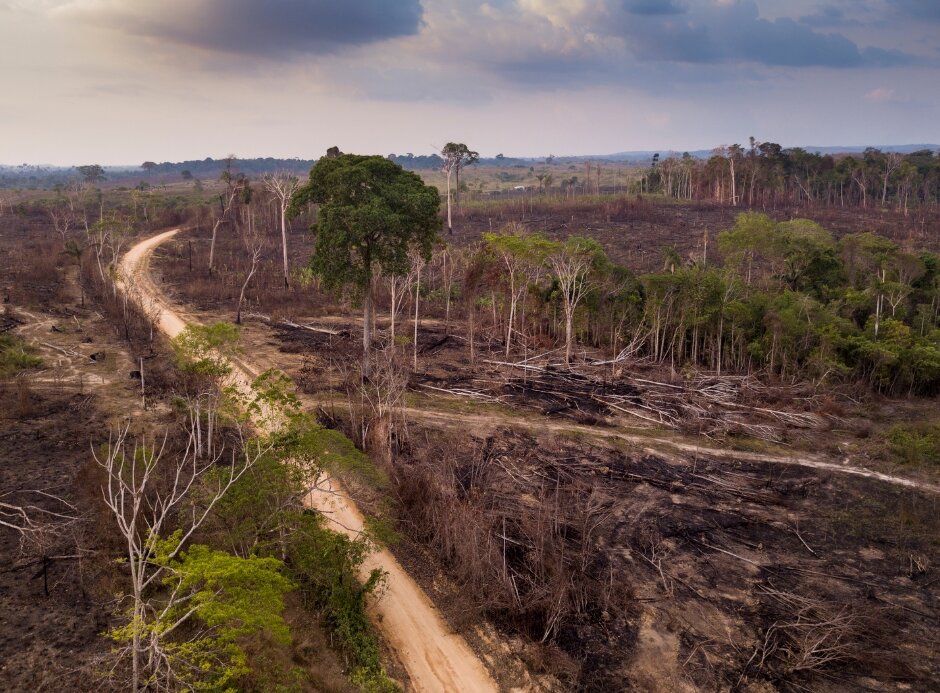
Fern convinced the European Union and key EU Member States to pledge to make tackling global deforestation a priority
In 2008, thanks to Fern’s advocacy, the European Union committed to halt global forest cover loss by 2030 and to reduce gross tropical deforestation by at least 50 per cent by 2020 compared to 2008 levels.
In 2019, following five years of campaigning (including the publication of our report ‘Stolen goods’ showing that key EU Member States were complicit in buying ingredients tainted with illegal deforestation; and a petition initiated by Fern and signed by 230,000+ citizens), the European Commission published a long awaited Communication on “Stepping up EU Action to Protect and Restore the World’s Forests". In this document, the Commission, for the first time, opens the door to regulating EU's supply chains in order to prevent the risk of deforestation associated with imports of agricultural commodities into the EU.
2015
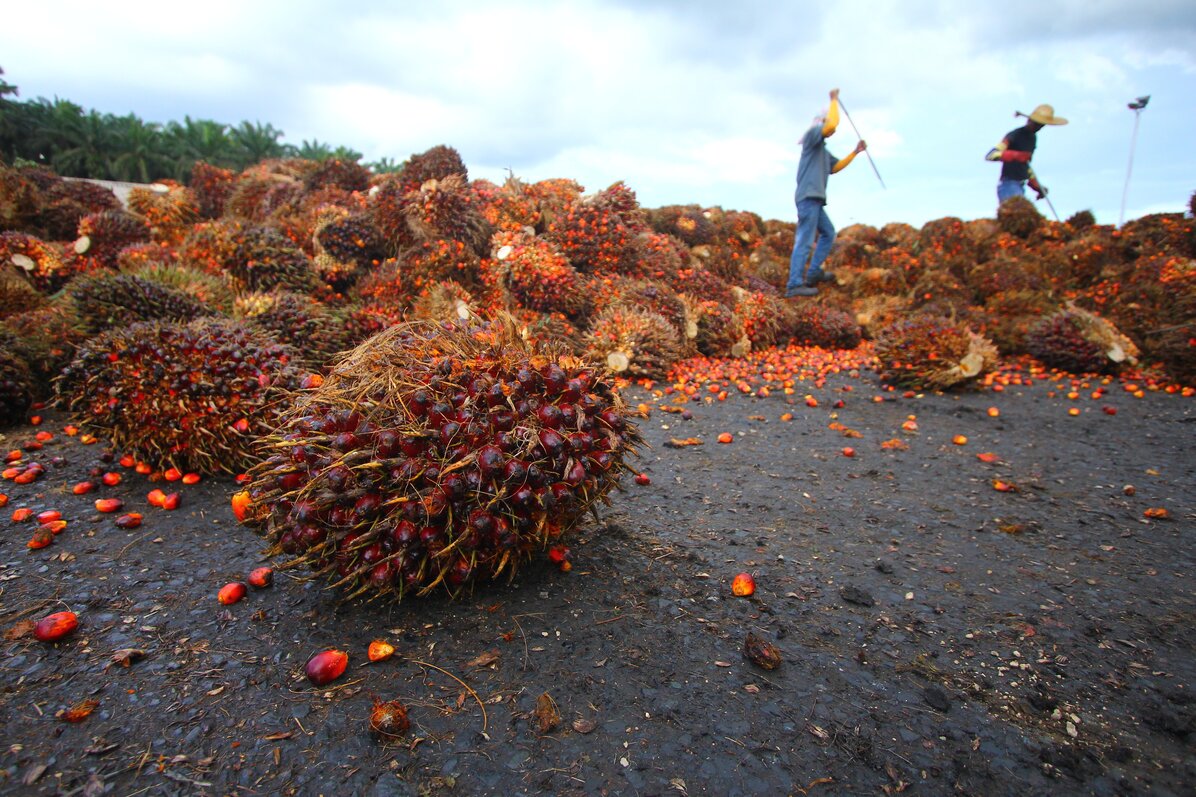
Fern convinced the EU to regulate against imported deforestation
In March 2015, Board member David Kaimowitz told a Fern conference, that Europe’s supermarkets had been converted into crime scenes as tropical forests were being cleared illegally for soy, beef, palm oil and other commodities and ending up on Europe’s supermarket shelves.
The aim was to encourage the EU to pass a Deforestation Regulation, but at the time this seemed unattainable and utopic. Passing the EU Timber Regulation had been difficult - but the timber industry is minor compared with the huge multinational corporations trading in beef, palm oil and soybeans.
Yet it has happened! The hard work of Fern, and its allies and organisations in the global South, played an important role and we now have the EU Regulation on deforestation-free products which holds companies to account for deforestation associated with seven key commodites, as well as a commitment to engage in partnerships with producer countries to support them in lowering deforestation levels across the board.
2015
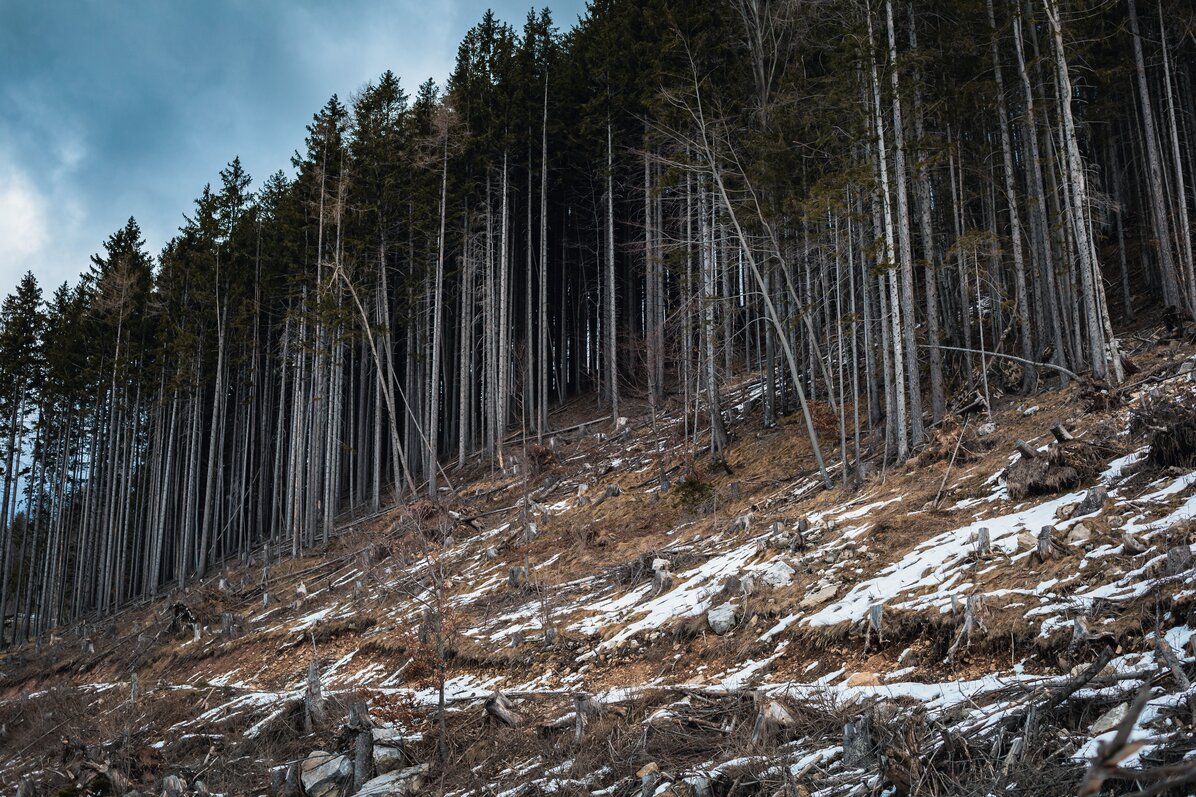
Fern reduced loopholes in emissions counting
Fern exposed the fallacies of carbon trading, preventing forests from being included in the EU Emissions Trading System and making it more difficult for them to be included in the subsequent emissions trading schemes that followed.

2015
Fern built a coalition which halted biodiversity offsetting
Fern built a coalition of NGOs to challenge EU and Member State plans for biodiversity offsetting. This coalition managed to halt plans for such policies in the UK and the EU, thereby protecting old growth forests which can no longer be cut with the promise of “improving something else, somewhere else.”
2014
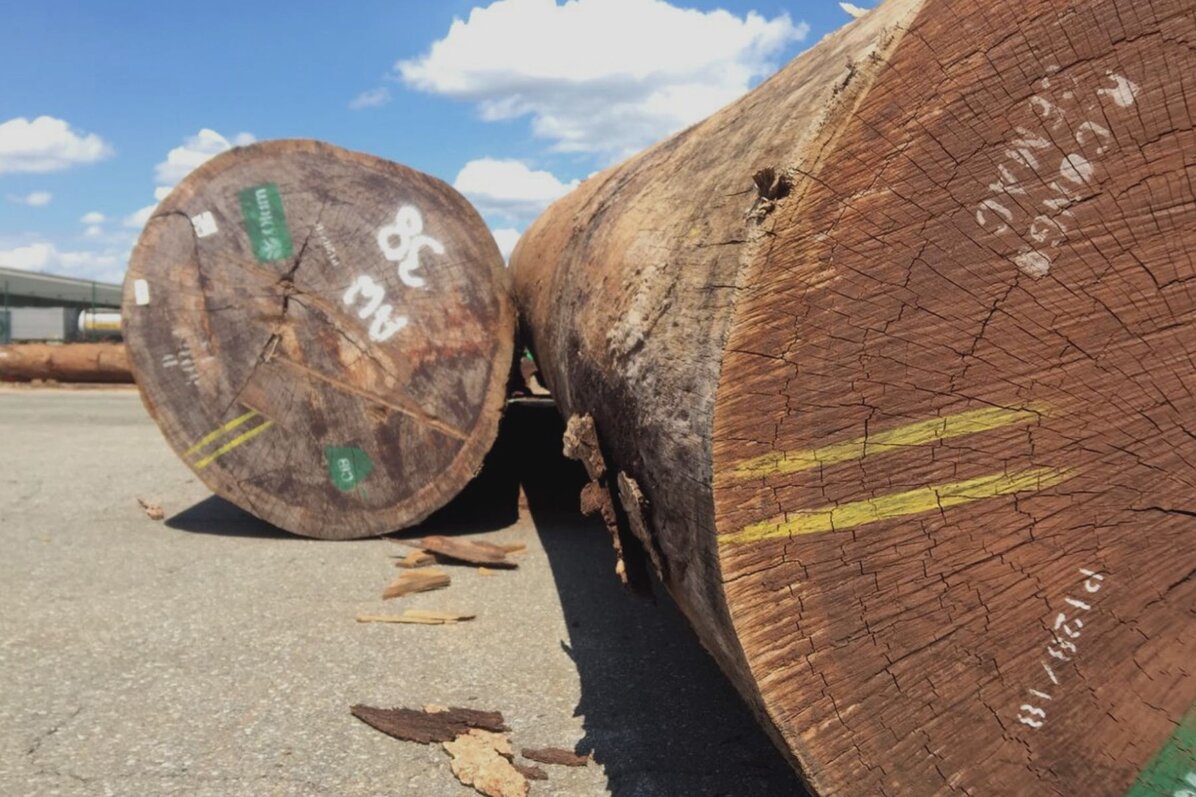
Fern helped reduce EU illegal tropical timber imports by 60 per cent
In 2003, Fern helped define the EU’s flagship programme to tackle illegal logging: the unique FLEGT Action Plan bans illegal timber from entering the EU market, improves local democracy and empowers civil society to protect forests.
Along with the EU timber regulation, this led a drastic change in the EU’s consumption pattern: illegal tropical timber imports were reduced by 60 per cent, from 3.4 million tons in 2003 to 1.5 million in 2014.
2014
In recognition of the link between financial resilience and mission impact, Fern appointed its first Partner Finance Officer, dedicated to supporting partners’ financial capacity and organising annual financial exchanges to invest in collective financial resilience
2012
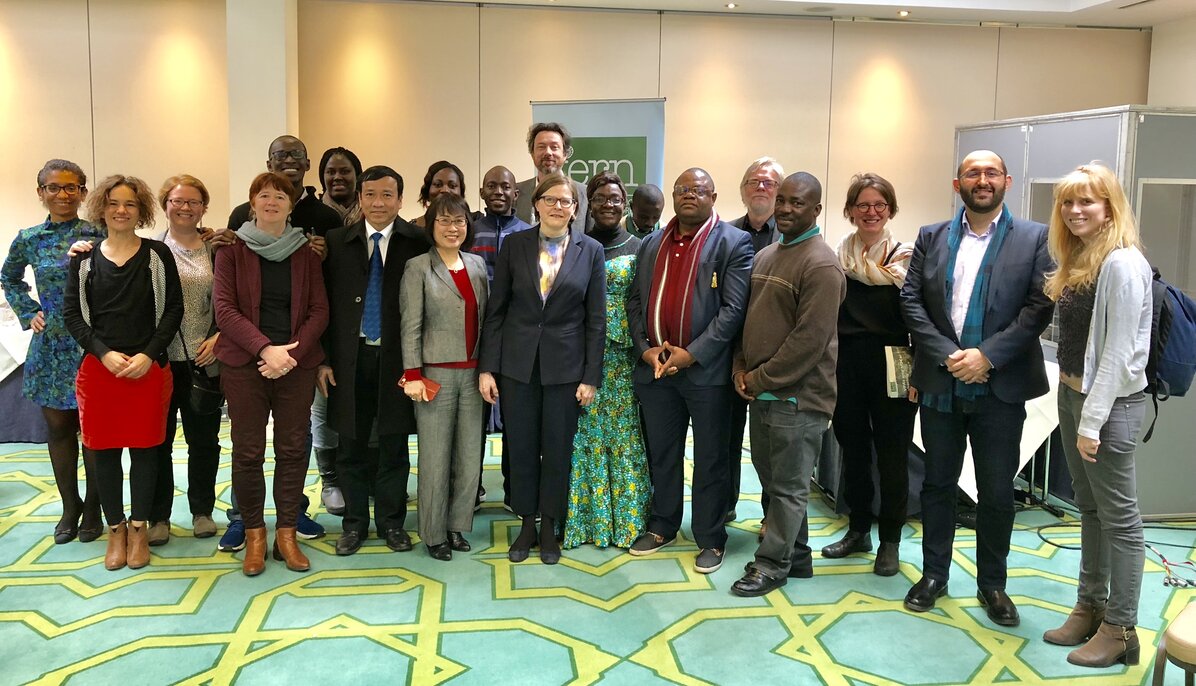
Fern supported local NGOs to clarify who owns the forest and improve the way they are managed
Since the adoption of the FLEGT action plan, 187 new NGOs in six countries have participated in shaping national forest policies which cover 87.32 million hectares of tree cover - the size of Germany and France combined.
Fern coordinated meetings, trained partner NGOs and raised more than €6 million of EU and British funding for partners to be involved in defining the policies that will affect their lives and livelihoods.
2012
The Organisation for Economic Cooperation and Development Council adopted new Environmental and Social Sustainability guidelines for Export Credit Agencies (ECA)
This was the result of a decade of campaigning of the ECA Watch network, facilitated by Fern.
2010
The EU Timber Regulation is agreed
Following a long NGO campaign about the impact of illegal logging on forests and community rights, the EU passed the EU Timber Regulation which aims to counter illegal logging and associated trade in timber. It came into force in 2013.

2007
Fern ensured that the European Commission included environmental impact assessments in its aid programmes
In 2007, Fern successfully convinced the European Commission to introduce environmental impact assessments in development aid programmes. EU’s official development assistance commitments for climate change mitigation increased more than four-fold between 2007 and 2011, reaching just short of €1 billion in 2011.
2006
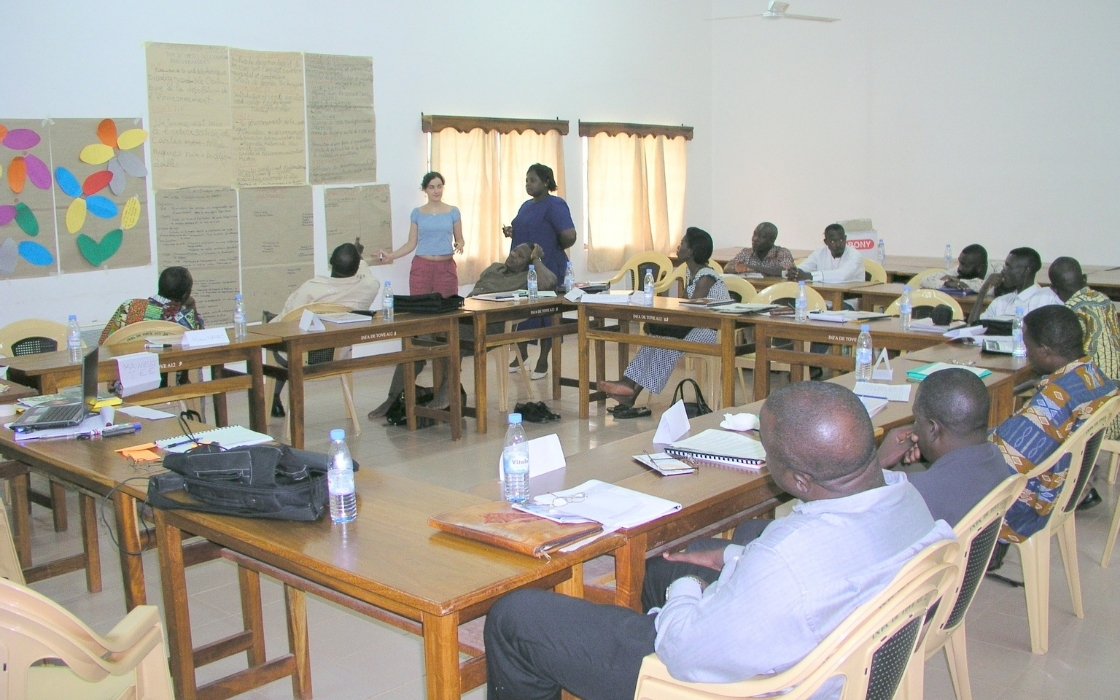
Fern produced a toolkit to support the work of African NGOs
Produced in response to a request from a network of West African NGOs, Provoking Change is an advocacy toolkit for the environmental and social NGO movement in West Africa and beyond, with the aim of supporting its efforts to be watchdogs, monitors, independent analysts and campaigners protecting Africa’s natural wealth and the rights of its people. In 2016 Fern updated it with an addendum with chapters on engaging with new and traditional media and the basics of film making.
2003
The EU FLEGT action plan was announced
Following Fern’s seminal report and campaigning, the EU agreed on a plan of action to use EU market levers (trade) to improve the governance of tropical forests.
2002
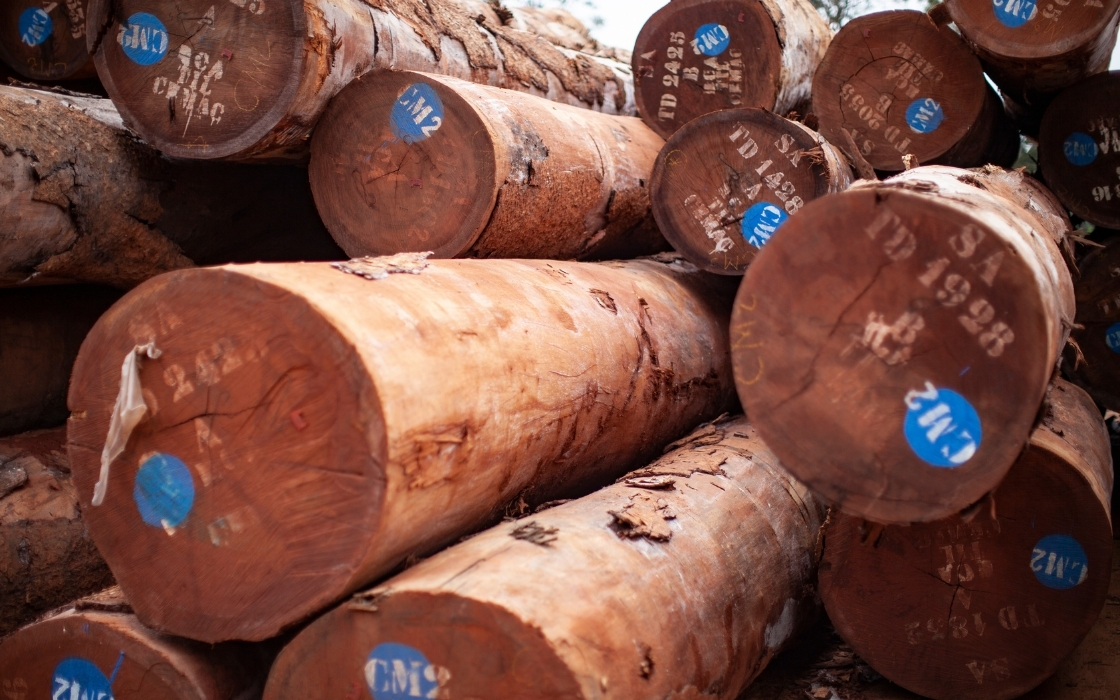
Fern paved the way for EU action to curb illegal timber imports
Duncan Brack, Chantal Marijnissen and Saskia Ozinga outlined recommendations for EU institutions and Member States to control imports of illegally sourced timber and wood products into EU territories. The report Options for Europe played a critical role in kicking off the FLEGT Action Plan.
2001
Fern challenged forest certification with evidence of systemic failures
In the report Behind the Logo, Fern exposed the deep flaws in forest certification schemes, showing how “timber certified as coming from ‘well managed forests’ originated from old growth forests, forests under dispute over land rights, or forests that have been converted to GMO tree plantations.”
2001
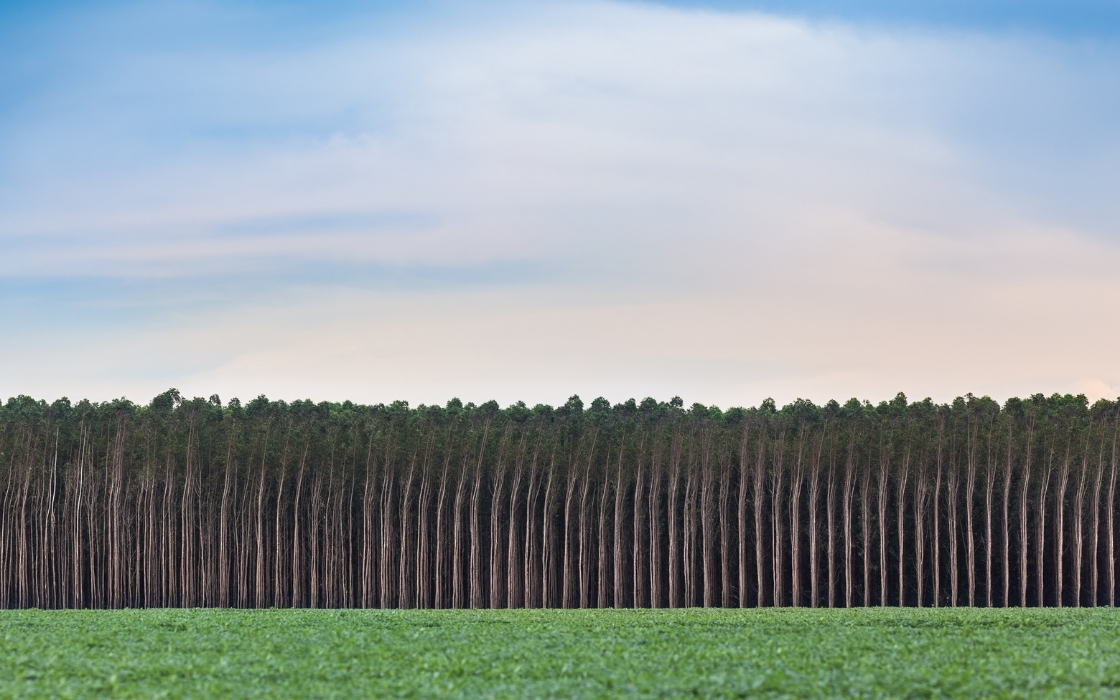
Fern exposed risks of carbon sink credits to forests, peoples, and climate
Jutta Kill’s investigation and analysis of carbon sink credits, published in the report Sinks in the Kyoto Protocol, was one of the first times comprehensive evidence was published on the dangers these credits posed for forests, forest peoples and the climate.
2000
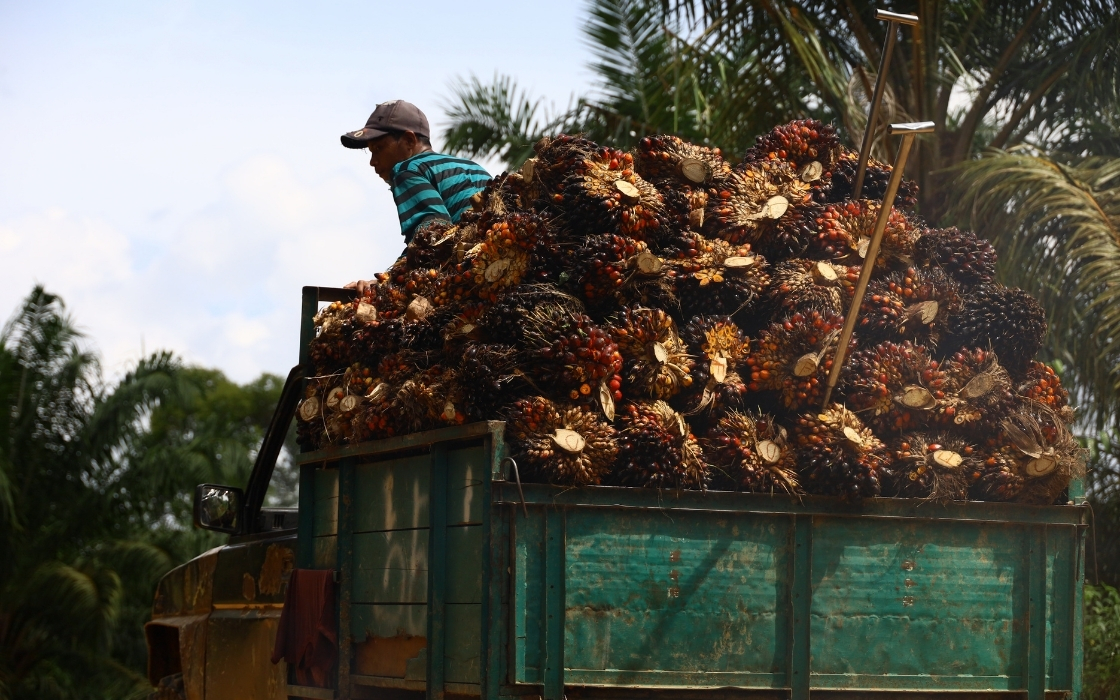
Fern revealed trade policies' hidden impact on forests and forest peoples
Fern’s report Trade liberalisation and its impacts on forests was the first to assess how trade policies affect forests and the rights of forest communities. Following its release, Fern hosted an international meeting of forest NGOs to develop a strategy for a joint campaign on trade and forest issues.
2000
Fern shifted to a flat management structure, where power is distributed evenly, depending on role and expertise, according to the principle of subsidiarity
1997
Fern exposed the lack of progress made by countries towards their national biodiversity strategy action plans, committed to under the United Nations Convention on Biological Diversity (CBD)
1994
Environmental organisations from the boreal forests who had been working to protect their forests decided they needed outside support
Following the formation of the Taiga Rescue Network, groups working on the boreal forests joined the ERM. Therefore in 1994 the group changed its name to Forest Movement Europe (FME). They identified the need to better understand what was happening in Brussels, since the EU was in the lead for several policies in EU Member States, including trade.
1992
The group behind ‘Ban Japan from the Rainforest’ expanded considerably in size and the issues it dealt with
Its focus was no longer Japanese companies but tropical rainforest protection and support for forest peoples in general. At a meeting in Munich, Germany, the group renamed itself the European Rainforest Movement (ERM), the European arm of the World Rainforest Movement. Meetings were coordinated by Saskia Ozinga, who went on to co-found Fern.