Indonesia takes a turn for the worse – but will the EU go along with it?
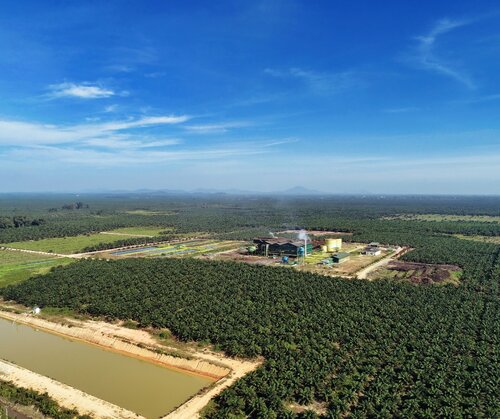
In today’s Indonesia, civic space is restricted, and violence against environmental and human rights defenders is soaring. And so is deforestation, surging 66% in 2025 compared to the previous year. But the EU could use the ratification of the EU-Indonesia trade and investment agreements as a lever to tackle the political violence and devastation of the forests on which millions of people depend.
Already in 2020, Indonesia’s Omnibus Job Creation law (FW 253, FW 259) set a frightening stage, sweeping aside environmental and social guardrails in favour of commercial interests.
Legislative trends have only got worse. A new Criminal Code (KUHP) restricts expression and protest. Its entry into force in January 2026 poses grave risks to civil freedoms: ‘insults’ to the president or state institutions are criminalised, as are vaguely worded ‘treason’ provisions and public demonstrations without police notification. In effect, dissent can be selectively criminalised, civil society cautions.
Three other legislative acts threatening freedom of expression were debated in early 2026: a Bill on ‘Combating Disinformation and Foreign Propaganda’, one on Broadcasting, and another on Cybersecurity and Resilience. Kompas daily news and Amnesty International Indonesia warned they could be used to label criticism as ‘foreign interference’, sanction media platforms and criminalise digital expression.
The danger is real. In February 2026, an environmental activist from Bangka Belitung, Muhammad Rosidi, was targeted in an acid attack for advocating against illegal mining activities. KontraS, a national NGO for the disappeared and victims of violence, has also experienced harassment, and on 12 March, Andrie Yunus, vice-coordinator of KontraS, was attacked after participating in public discussions critical of military reform and protest repression; at least 12 activists who testified about that attack also received threats. The military court proceedings that followed were problematic due to the lack of transparency.
This is part of a vast pattern in which an area is targeted for extraction – minerals, timber, palm oil – and ‘whatever means necessary’ are used to bend populations to their will.
Throughout 2026, police cracked down on villagers and activists opposing extractive projects, including in Central Sulawesi, targeting Indigenous and rural communities with arbitrary arrests, intimidation, land confiscation and violent dispersal of peaceful protests against environmentally destructive projects.
In Papua and West Papua, repression also intensified, as did militarisation of governance, resulting in displacement, suppression of protests and detention of Papuan activists for treason. Journalist and independent observer access is also restricted. The national human rights commission, Komnas Ham, will investigate the shooting of more than a dozen West Papuans, including women and children.
In April 2026, Indonesian academics and public intellectuals who criticised the President and Vice President were reported to the Jakarta Metropolitan Police. They have not been arrested, but civil society warn that police reports function as legal intimidation, reinforcing self‑censorship.
With the designation of National Strategic Projects in 2024, the government allocated 20.6 million hectares (Mha) of land to the Food Estate Programme – of which 8.8 Mha are natural forest – it has now accounted for 18% of the total area cleared. In addition, Indigenous communities were displaced and forests felled without consent, using the military to suppress protest.
A recent boom in mining, particularly for nickel and coal, adds to the growing threat to Indonesia’s forests. Between 2001 and 2023, 721,000 ha were transformed into mining infrastructure – including 150,000 ha of forest. The surge (FW 290) follows the same pattern: deforestation, disruption, displacement of communities, damaging livelihoods and poisoning water and food sources.
Will EU demand for timber and minerals mean turning a blind eye to rule of law and fundamental human rights?
As the EU-Indonesia trade and investment agreements enters the ratification process and Indonesia’s accession to the Organisation for Economic Co-operation and Development (OECD) proceeds to the technical review stage (July 2026), greater engagement, pressure and support from the EU and Member States could help stop attacks on forests and environmental and human rights defenders. To do less would make a mockery of the CEPA’s Trade and Sustainable Growth chapter.
Image: IDN-cute/Shutterstock
Categories: News, Forest Watch, EU Partnerships, Indonesia