
Publications
Wiser with wood
Overview
A guide on how to transpose the EU’s revised Renewable Energy Directive (RED III) to better protect forests, the climate, public health and other wood-using industries
Burning trees to save the climate?
Because it allows Member States to subsidise energy operators burning woody biomass, and because burning wood emits carbon dioxide and toxic fine particles, the EU’s Renewable Energy Directive has damaged forests, the climate, public health and biodiversity. It also costs EU taxpayers billions of euros each year.
But the Directive has just been updated and now Member States have the chance to undo some of the damage as they transpose it into national law. They have considerable flexibility to go beyond the environmental safeguards for woody biomass set by the EU.
Problems with the woody biomass sector
- Poor use of taxpayers’ money and public budgets
- Damaging to European forests, biodiversity and environment
- Damaging to public health
- Damaging to other high-value wood-using industries
- Undermining the clean energy transition
Our guide to the transposition identifies RED III’s legal bioenergy requirements, describes Member States’ margins of manoeuvre, and proposes ways to better protect forests, the climate, public health and other wood-using industries from the EU’s biomass policy.
This is a matter of justice.
88% of the EU citizens support the green energy transition, in response they are expecting lower bills and cleaner air – not decimated forests, unpayable renovation bills and a continuation of the burning economy.
RED III may not be strong enough to ensure the protection of forests and EU citizens’ future, but Member States have at least gained the power to do so within their territories.

Contact us
-
Martin Pigeon
Martin Pigeon
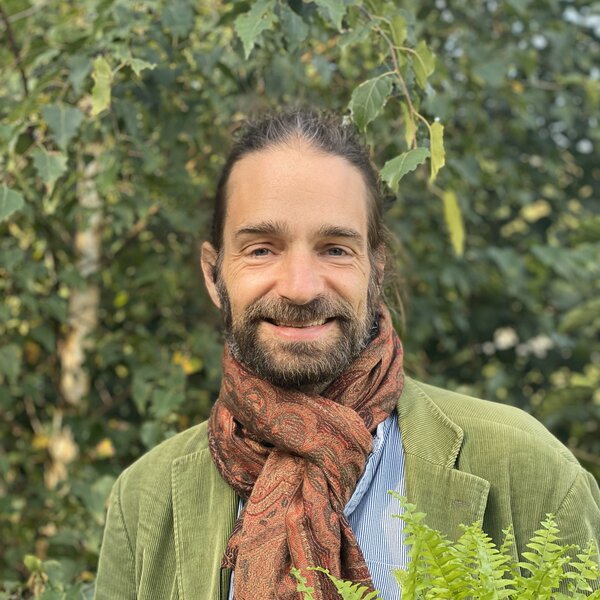
Martin is an experienced researcher and campaigner who documents the damage that EU bioenergy policies cause to forests, human health, the climate and the economy. He aims to redirect policy towards encouraging wiser wood uses for forests and the people depending on them (all of us!). His background is in exposing corporate power and lobbying in EU policy-making, in particular in the land sector (water and agriculture) and the strategic use of expertise (regulatory toxicology and research policies).
- Languages: English, French